Henrik Vogel · 19 September 2026
Navigating the Ripple Effects of Platform Changes on Organic Discovery Metrics
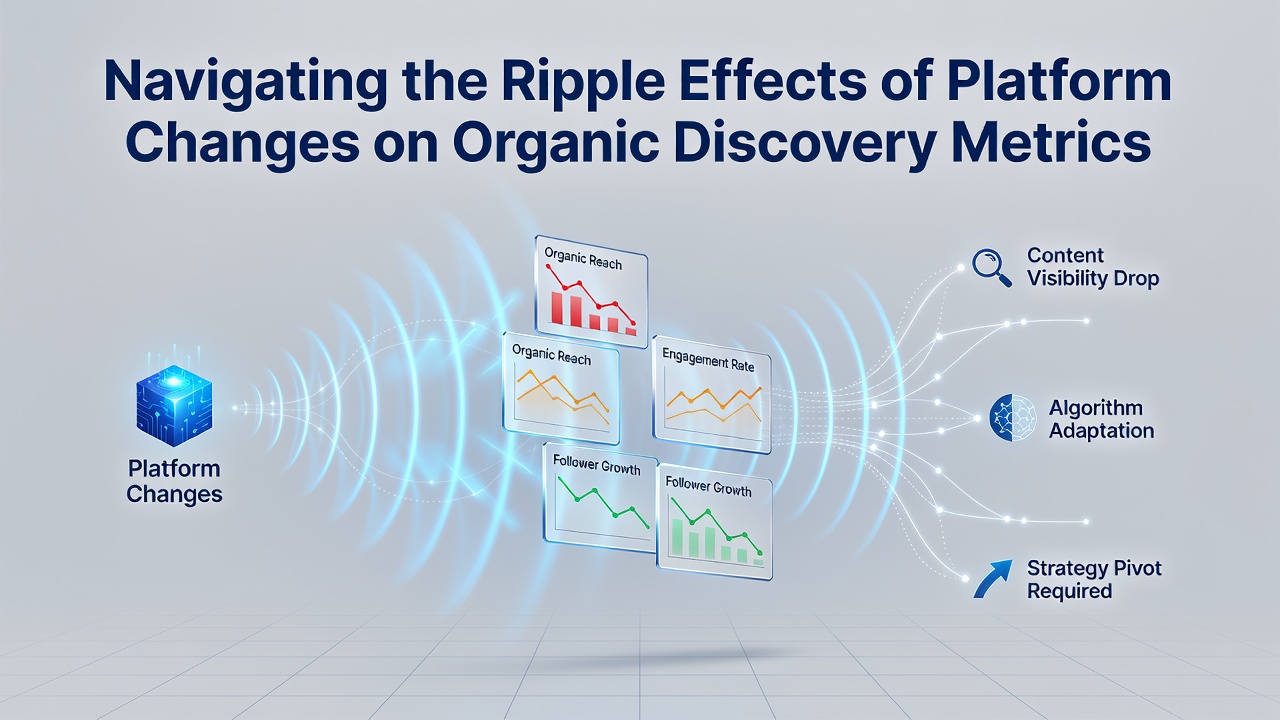
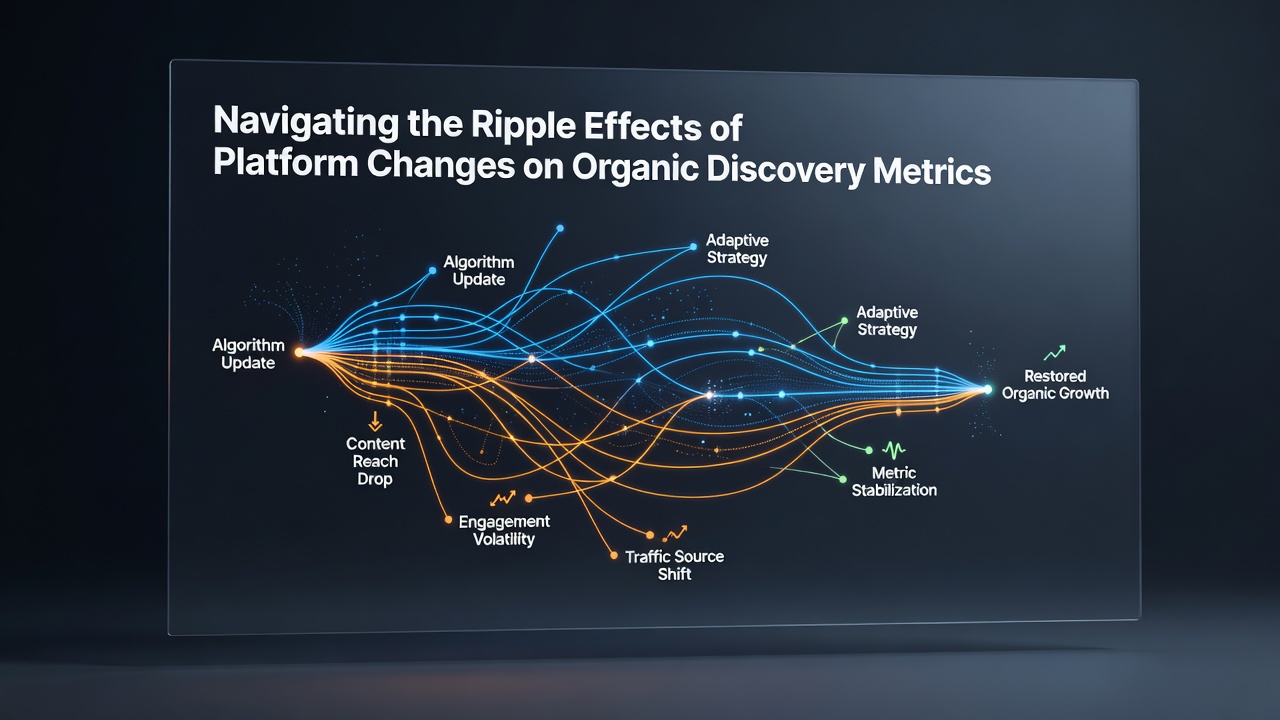
Platform updates frequently alter how content surfaces in search results and recommendation engines, which in turn modifies organic discovery metrics such as impressions, click-through rates, and session durations. These modifications occur because algorithms adjust ranking signals, interface elements change user pathways, and indexing priorities shift across different content types. Observers note that companies track these metrics through analytics suites that record daily fluctuations while developers monitor server logs for corresponding response patterns.
Core Components of Organic Discovery Metrics
Organic discovery metrics encompass several measurable indicators that reflect how users locate content without paid promotion. Impressions count appearances in result pages, clicks measure user selections, and average position tracks ranking stability over time. Additional figures include bounce rates after initial discovery and dwell time on landing pages, all of which combine to form a broader picture of visibility performance. Research from academic institutions shows that these indicators often move together when underlying platform rules change, creating interconnected data streams that analysts review in aggregate dashboards.
Common Platform Modifications and Their Reach
Platform operators introduce alterations ranging from search result layout redesigns to updated content evaluation criteria. One category involves modifications to mobile rendering priorities that favor certain page speeds or structured data formats. Another involves adjustments to recommendation logic on social and content aggregation sites, which affects how posts gain initial traction. Data indicates that such changes roll out gradually across regions, with staggered implementation timelines that allow observers to compare pre- and post-update performance in controlled segments. Those who monitor these timelines often record metric divergences that align with specific deployment dates.
Documented Effects on Visibility Indicators
Studies compiled by research organizations reveal that layout modifications on major search platforms have coincided with measurable drops in click-through rates for certain result positions. For instance, the introduction of expanded answer boxes reduced clicks on traditional organic listings in multiple tested markets. Session duration figures also shifted when platforms altered related content suggestions, directing users along different navigation paths. Figures from industry reports demonstrate that these movements appear consistently across verticals such as news, e-commerce, and educational resources, though the magnitude varies by sector and audience demographics.
Measurement Practices Across Organizations
Teams responsible for tracking organic performance employ layered monitoring systems that combine web analytics platforms with custom scripts. These systems capture daily snapshots of key indicators while cross-referencing them against platform announcement logs. Analysts segment data by device type, geographic region, and content category to isolate variables introduced by platform updates. One study revealed that organizations maintaining historical baselines could identify metric deviations within days of a change rather than weeks, enabling faster internal reporting cycles.
Geographic and Regulatory Influences
Regulatory frameworks in different regions shape how platforms handle data collection and result personalization, which subsequently influences organic discovery metrics. The Federal Trade Commission has documented cases where privacy requirements altered tracking capabilities and affected measurement precision in the United States. Meanwhile, reports from the Australian Competition and Consumer Commission examine similar dynamics in digital platform oversight, noting variations in how local rules intersect with global algorithm updates. These regional differences produce distinct metric patterns that analysts compare when evaluating worldwide performance.
September 2026 Developments
Scheduled platform revisions set for September 2026 include expanded support for new structured data types alongside refined indexing schedules. Preliminary documentation released by platform operators outlines adjustments to how certain multimedia elements receive priority treatment in discovery feeds. Organizations preparing for these revisions have begun auditing their current metric baselines to establish comparison points once the updates activate. Observers expect these modifications to influence impression distribution across content formats, particularly for sites that rely heavily on video and interactive elements.
Conclusion
Platform changes continue to reshape the data landscape surrounding organic discovery, requiring consistent observation of interconnected metrics across multiple dimensions. Organizations that maintain detailed historical records and segmented analysis frameworks position themselves to interpret shifts as they emerge. The interplay between regulatory environments, algorithmic adjustments, and measurement techniques produces a dynamic environment where factual tracking remains central to understanding performance trajectories.