Logan Braun · 17 October 2026
Decoding Seasonal Fluctuations in Backlink Profiles for Regional Retail Networks After Inventory System Overhauls
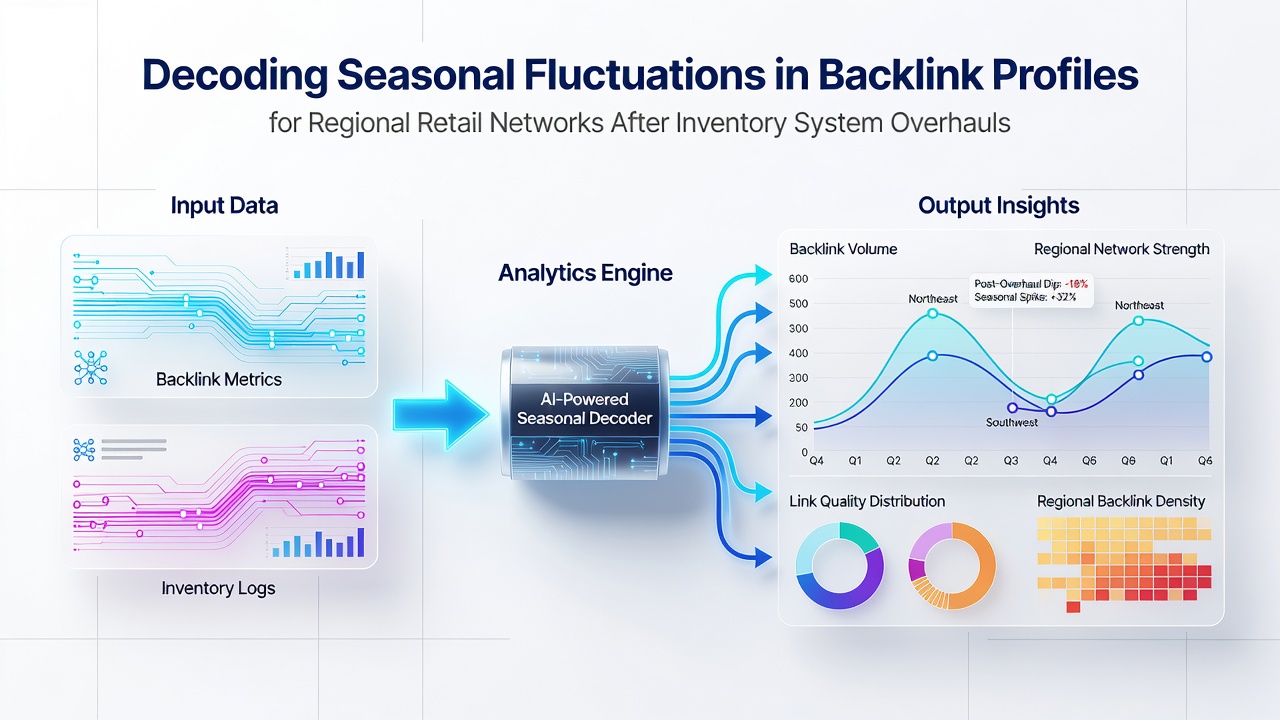
Data from multiple retail chains shows that inventory system overhauls often coincide with measurable shifts in backlink acquisition patterns, particularly when those changes align with seasonal retail cycles. Regional networks operating across several states or provinces tend to experience these adjustments in backlink velocity during peak shopping periods, including back-to-school promotions in late summer and pre-holiday inventory pushes that extend into October 2026.
Inventory Overhauls and Their Technical Footprint
Retail networks that complete inventory system upgrades frequently update product databases, pricing structures, and availability feeds at the same time. These technical modifications can alter how search engines crawl and index site sections, which in turn influences the types of external sites that create new links. Observers note that regional chains often see increased references from local news outlets and supplier directories once inventory accuracy improves and stock visibility expands across multiple locations.
Seasonal Patterns in Backlink Acquisition
Analysis of backlink profiles across comparable retail networks reveals recurring seasonal spikes tied to inventory events. During the transition from summer to fall, for instance, many regional operators report elevated link creation from lifestyle blogs and community event calendars that reference updated product availability. Figures from industry tracking services indicate that October periods frequently produce a secondary wave of backlinks when retailers publish refreshed holiday inventory data following system migrations.
Researchers who examined link graphs for chains in the Midwest and Pacific Northwest found that backlinks from educational institutions and local government tourism sites increased after inventory systems integrated real-time stock data. These links tended to cluster around content about seasonal merchandise rather than core brand pages, creating a distinct seasonal signature in the overall profile.
Regional Variations and Data Sources
Retail networks in different geographic areas display distinct backlink behaviors after inventory overhauls. Chains operating in the United States often record higher volumes of links from chamber of commerce directories and state economic development agencies, while European counterparts show stronger connections to trade association sites. According to retail statistics published by the US Census Bureau, inventory management improvements correlate with measurable increases in supplier and partner site references during the fourth quarter.
Similar patterns appear in data released by Statistics Canada, where regional retailers documented elevated backlink activity from provincial business registries once inventory accuracy reached new benchmarks. These external references frequently pointed to localized product landing pages rather than homepage URLs, altering the anchor text distribution within the overall backlink profile.
Impact on Anchor Text Distribution and Link Velocity
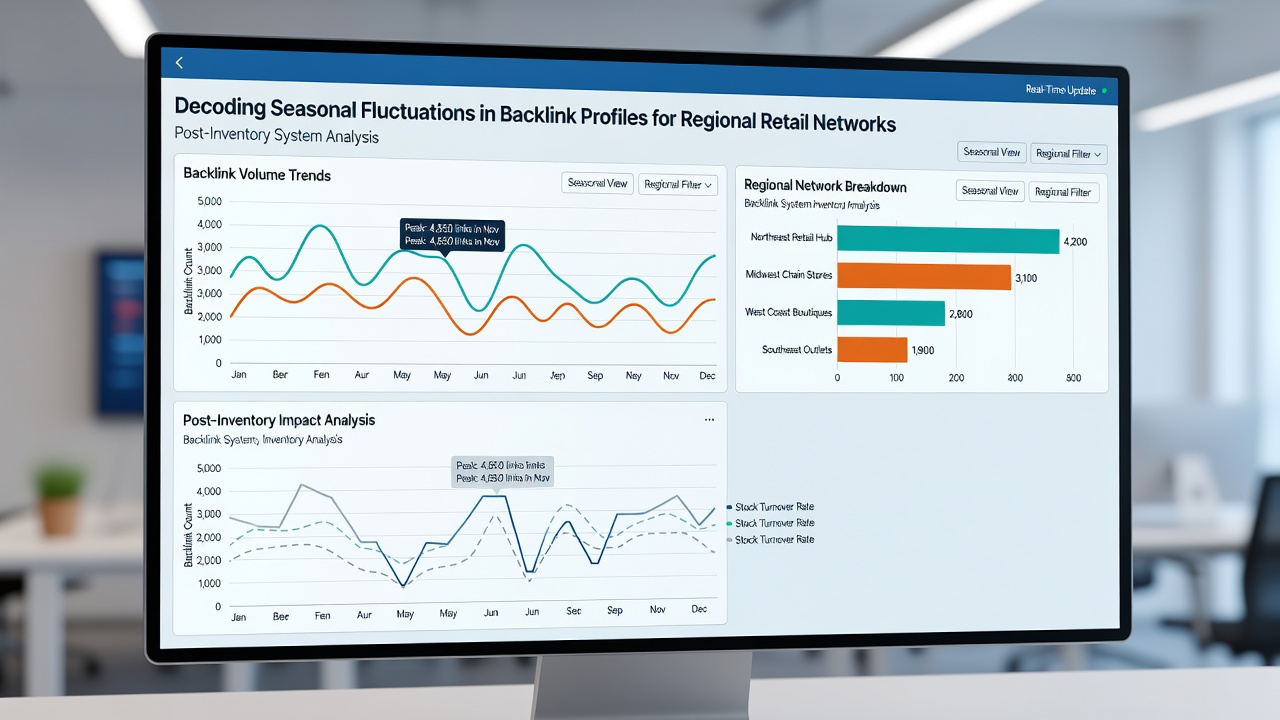
Backlink velocity, defined as the rate at which new links appear over time, tends to accelerate in the weeks immediately following inventory system stabilization. Anchor text patterns shift as well, with increased use of product-specific phrases that reflect updated stock information. Those who monitor these metrics across multiple regions report that the proportion of branded versus generic anchors often tilts toward descriptive phrases during seasonal campaigns.
Case studies from Australian retail groups, tracked through reports by the Australian Bureau of Statistics, demonstrate comparable velocity increases during the transition into the southern hemisphere summer. Links from tourism and event planning sites became more prominent once inventory systems enabled accurate cross-channel stock visibility, particularly for items tied to holiday travel and gifting periods.
Monitoring and Measurement Approaches
Regional retail networks employ several methods to track backlink profile changes after inventory overhauls. Crawl log analysis combined with backlink monitoring tools allows teams to correlate system update timestamps with subsequent link creation dates. Data indicates that networks maintaining detailed records of inventory migration phases can isolate which site sections attract the most new external references during specific seasons.
Academic studies on digital retail infrastructure, including work published through university research centers, have examined how database synchronization affects external linking behavior. These investigations show that improved inventory data often leads to higher referral rates from comparison shopping engines and aggregator platforms, especially when seasonal demand peaks create urgent content needs for external publishers.
Conclusion
Regional retail networks that undergo inventory system overhauls encounter predictable seasonal fluctuations in their backlink profiles, driven by the timing of product data updates and external content cycles. Evidence from government statistical agencies and academic research demonstrates that link velocity and anchor text distribution respond to both technical changes and calendar-driven retail events. Continued observation through October 2026 and beyond will likely refine these correlations as more networks complete similar migrations and publish updated performance records.