Freya Klein · 5 September 2026
Charting Subtle Shifts in Crawl Patterns After Enterprise Platform Transitions
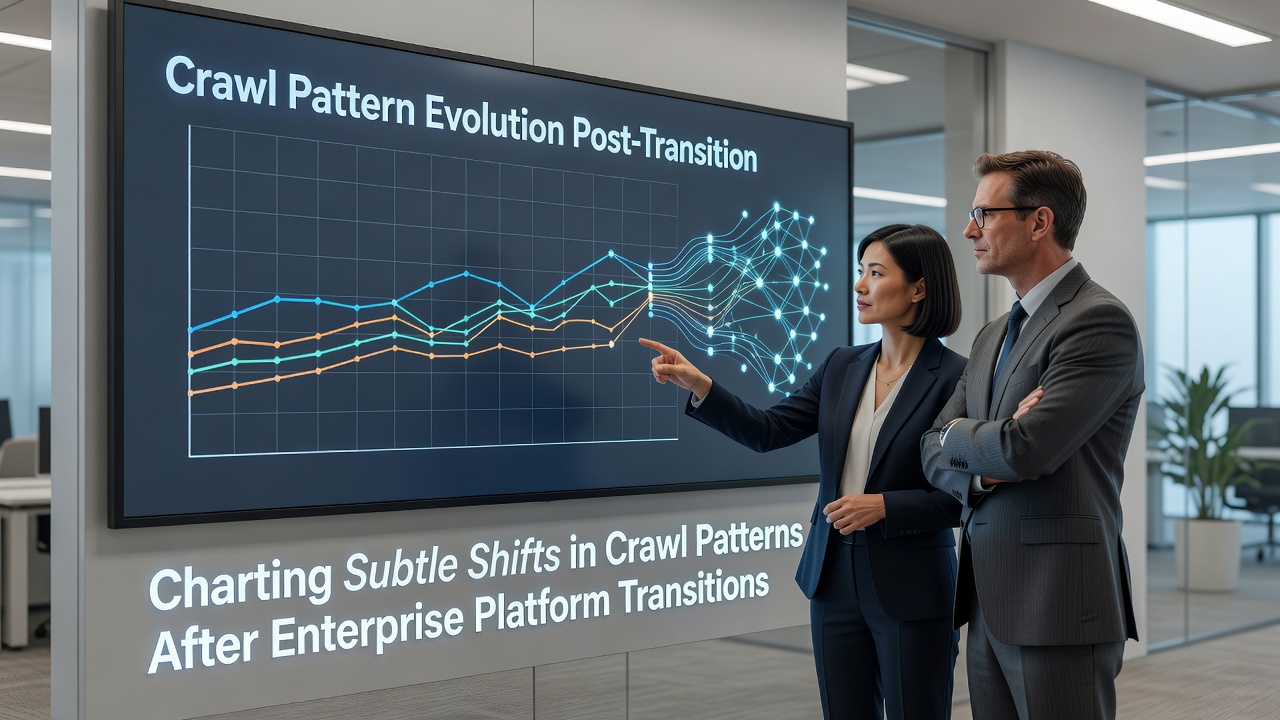
Enterprise organizations that migrate from legacy content management systems to newer platforms often observe measurable changes in how search engine bots interact with their sites, and these adjustments appear in server logs and analytics dashboards within weeks of the switch. Researchers tracking large-scale migrations note that crawl frequency can increase or decrease depending on the new architecture's URL structure and internal linking setup, while the depth of exploration by bots may shift as well. Data collected from multiple enterprise deployments shows that these patterns emerge gradually rather than all at once, which makes early detection through consistent monitoring essential for maintaining visibility.
Key Indicators of Crawl Pattern Adjustments
Log file analysis reveals several consistent markers after a platform change, including variations in the number of requests per day for specific directory paths, alterations in the ratio of successful responses to error codes, and differences in the timing of bot visits relative to content updates. Studies from academic institutions in Canada have documented how new JavaScript frameworks can lead bots to prioritize certain resource types over others, resulting in longer intervals between full-site scans. Observers who examine pre- and post-migration data sets frequently identify clusters of previously ignored parameters that suddenly receive attention once the site operates under the updated stack.
But here's the thing: many of these shifts remain small enough that standard reporting tools overlook them unless teams configure custom filters to isolate crawl metrics by user agent and response code. Those who've studied this process across dozens of transitions know that comparing timestamped log entries against deployment dates helps isolate the effects of the platform move from other variables like seasonal traffic changes. Evidence suggests that bots from major engines adjust their behavior based on signals such as updated sitemaps and revised robots.txt directives introduced during the migration.
Monitoring Techniques Used by Analysts
Teams typically combine server-side logging with cloud-based crawl simulators to build timelines of bot activity before and after the transition date. This approach allows comparison of metrics like average pages crawled per session and the distribution of HTTP status codes across different site sections. In September 2026 several research groups released aggregated findings that highlighted how enterprise sites using headless architectures experienced steadier crawl rates compared with those relying on traditional server-rendered templates.
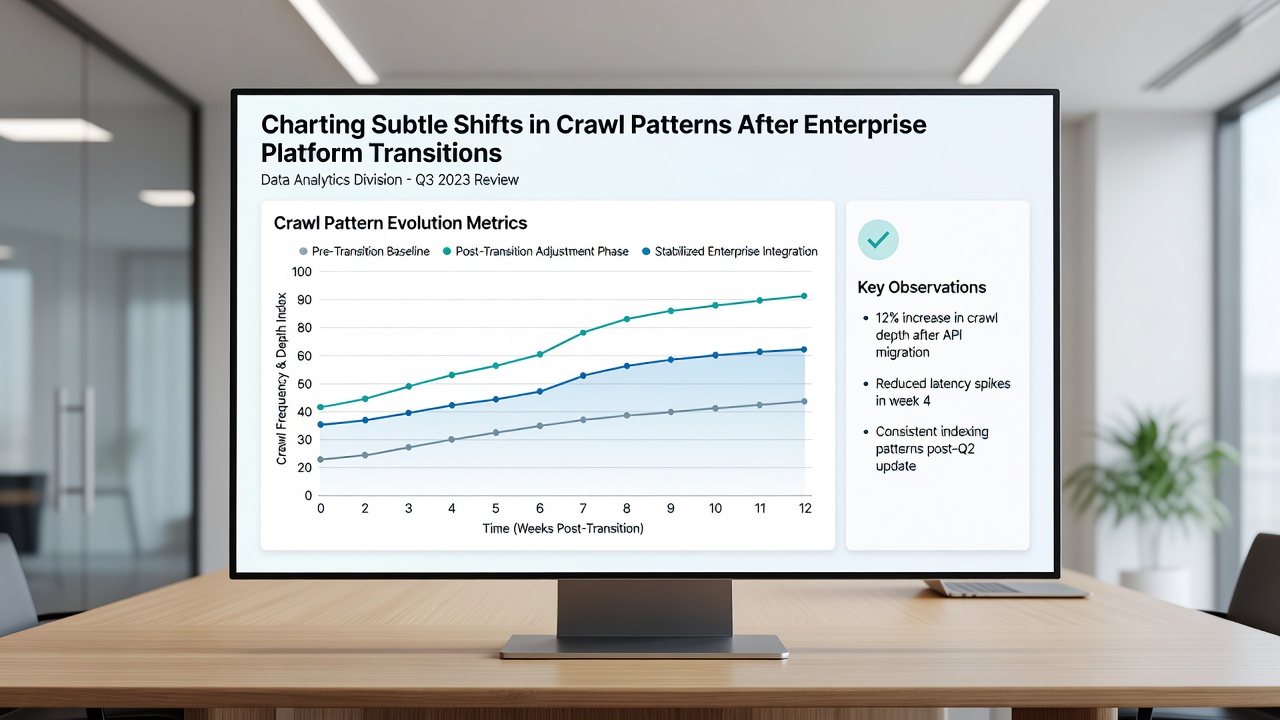
What's interesting is that these patterns often correlate with changes in how the new platform handles pagination, faceted navigation, and dynamic content generation. Analysts cross-reference Google Search Console data with raw logs to confirm whether reported crawl stats align with actual server activity, and they frequently discover discrepancies that point to caching layers introduced during the upgrade. Researchers from European digital infrastructure projects have published reports showing that sites adopting structured data schemas post-migration see bots allocate more requests to product or article detail pages.
Factors Influencing Post-Transition Behavior
Platform transitions usually involve updates to internal linking structures, which directly affect the pathways bots follow when discovering new content. Data indicates that sites introducing cleaner hierarchical navigation experience broader coverage of deep-level pages within the first month, whereas those retaining legacy redirects may see repeated requests to outdated URLs. Industry reports from Australian technology councils note that the choice of hosting environment and content delivery network configuration can amplify or dampen these effects depending on how quickly responses reach the requesting bot.
Turns out the presence of new API endpoints or microservices also plays a role, as bots increasingly probe these interfaces when the front-end presentation changes. Teams that maintain detailed change logs during migration can map specific configuration updates to corresponding movements in crawl volume and distribution. Evidence from multiple case reviews demonstrates that gradual rollout strategies, where sections migrate in phases, produce more predictable adjustments than full cutover events.
Conclusion
Tracking subtle crawl pattern modifications after enterprise platform transitions requires systematic collection of log data and cross-verification against external reporting sources, yet the resulting insights help organizations anticipate and address visibility impacts before they compound. Continued observation through the months following September 2026 deployments will likely refine current understanding of how architectural decisions translate into bot behavior over extended periods.